Catching the Perfect Tide for Coastal Photography

Quick Tip
Always check the local tide table before heading out to ensure you aren't caught by a rising tide.
The Atlantic coastline changes its entire shape every few hours. One moment, you're looking at a wide, muddy expanse of the Bay of Fundy; the next, the ocean has reclaimed the cliffs and tidal pools. If you want to capture the dramatic textures of our shores, you can't just show up whenever you feel like it. You have to time your shoot with the tide.
How do I track the tide times?
You need to use a reliable tide table or a dedicated app to predict when the water will be high or low. Most local photographers rely on the Tide Schedule tools or official government data to plan their outings. Don't just guess—the difference between high and low tide here is massive and can happen fast.
I always keep a few things in mind when I'm out with my Nikon Z6II. The light changes, but the water moves even faster. (It's a bit of a race, really.)
The Best Times for Photos
Depending on what you want to shoot, your "golden hour" might be tied to a specific tidal stage. Here is how I usually break it down:
- Low Tide: Best for macro photography of sea life, tide pools, and textured mudflats.
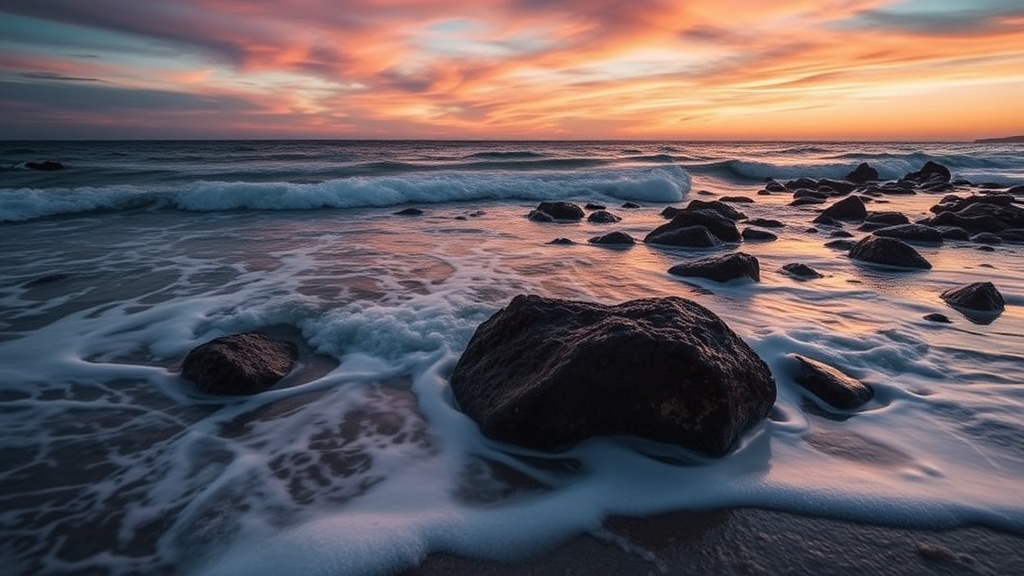
- Incoming Tide: Great for capturing the movement of waves and the energy of the water hitting the rocks.
- High Tide: Ideal for wide-angle shots of the coastline where the water meets the cliffs.
What gear should I bring for coastal photography?
A sturdy tripod and a weather-sealed camera are your best friends when the Atlantic weather turns unpredictable. You'll want something that can handle salt spray and sudden wind. If you're using a DSLR or mirrorless system, make sure your gear is rated for moisture.
The wind here is no joke. I've seen people lose their footing on the rocks because they were too focused on their viewfinder. A heavy-duty tripod like a Manfrotto model helps keep your shots steady when the gusts pick up.
| Tidal Stage | Primary Subject | Difficulty Level |
|---|---|---|
| Low Tide | Tide Pools & Shells | Easy (Stable ground) |
| Mid Tide | Crashing Waves | Moderate (Wet rocks) |
| High Tide | Coastal Cliffs | Hard (Limited space) |
One thing to remember—always check the weather forecast alongside the tide. A high tide during a storm is a completely different beast than a high tide on a calm summer afternoon. If you're out looking for a snack after a long session, you might even find yourself grabbing some wild blueberry scones in town to warm up.
Watch your footing. The rocks are slicker than they look.