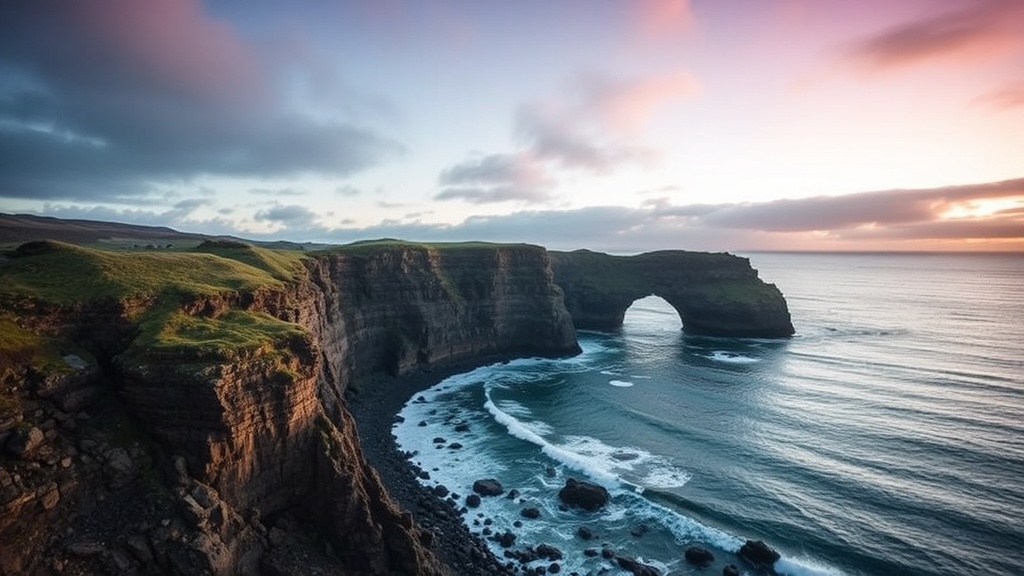
The One Timing Trick That Completely Changes Your Bay of Fundy Experience

Quick Tip
Plan your visit around low tide first—everything else comes second.
If you only remember one thing about visiting the Bay of Fundy, make it this: everything here revolves around the tides. Ignore that, and you’ll have an average trip. Work with it, and you’ll see the place at its absolute best.
This isn’t a minor detail. The Bay of Fundy has the highest tides in the world, and that single fact quietly dictates when cliffs look dramatic, when sea stacks feel towering, when beaches open up for miles—and when they disappear completely.
The Tip That Changes Everything
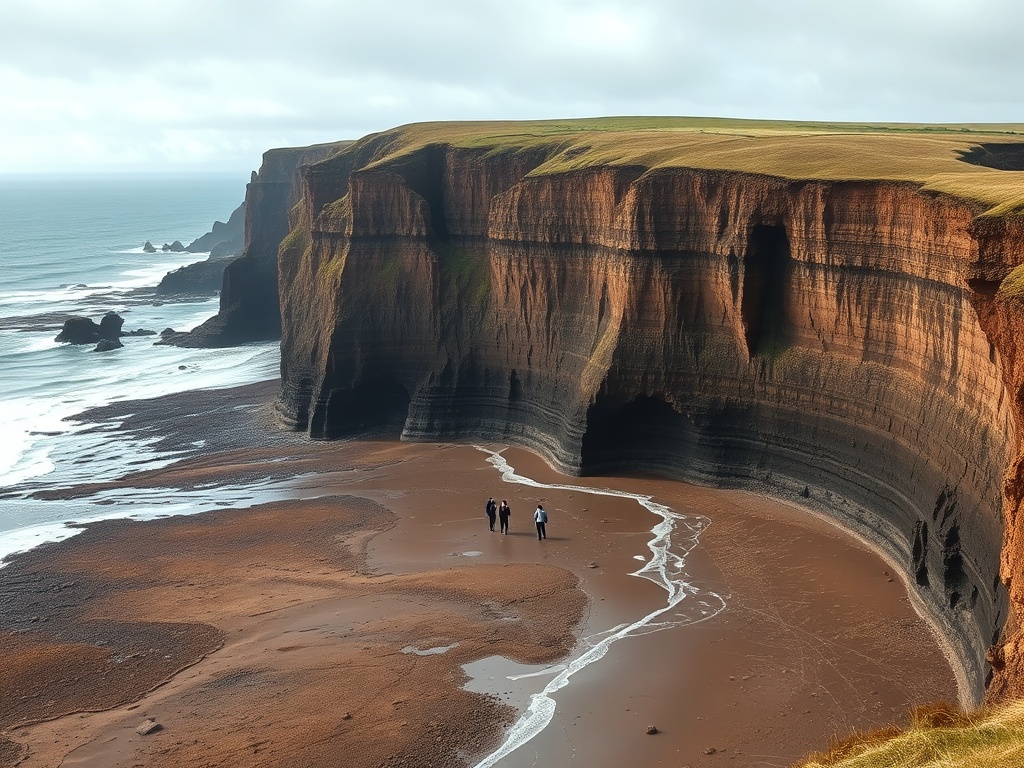
Plan your entire visit around low tide first, then build everything else around that window.
Most people do it backwards. They pick a day, show up mid-afternoon, glance at the water, take a few photos, and leave thinking, “Nice, but not life-changing.” That’s because they caught the Bay at the wrong moment.
Low tide is when the Bay of Fundy reveals itself. You can walk the ocean floor, stand next to formations that are normally surrounded by water, and see just how extreme the tidal shift really is.
High tide has its place—but it’s the second act, not the main event.

What Actually Happens at Low Tide
At low tide, the Bay doesn’t just recede a little—it pulls back dramatically. In some areas, the water drops by over 12–16 metres. That’s the difference between a quiet shoreline and a massive, open landscape that feels almost surreal.
Places like the Hopewell Rocks go from postcard viewpoints to something you can physically explore. You’re not just looking at the scenery—you’re inside it.
The scale is what surprises people. Photos don’t capture it well. When you’re standing at the base of those formations, looking up, it finally clicks why timing matters so much.
Then Stay for the Turn
Here’s where most visitors miss out.
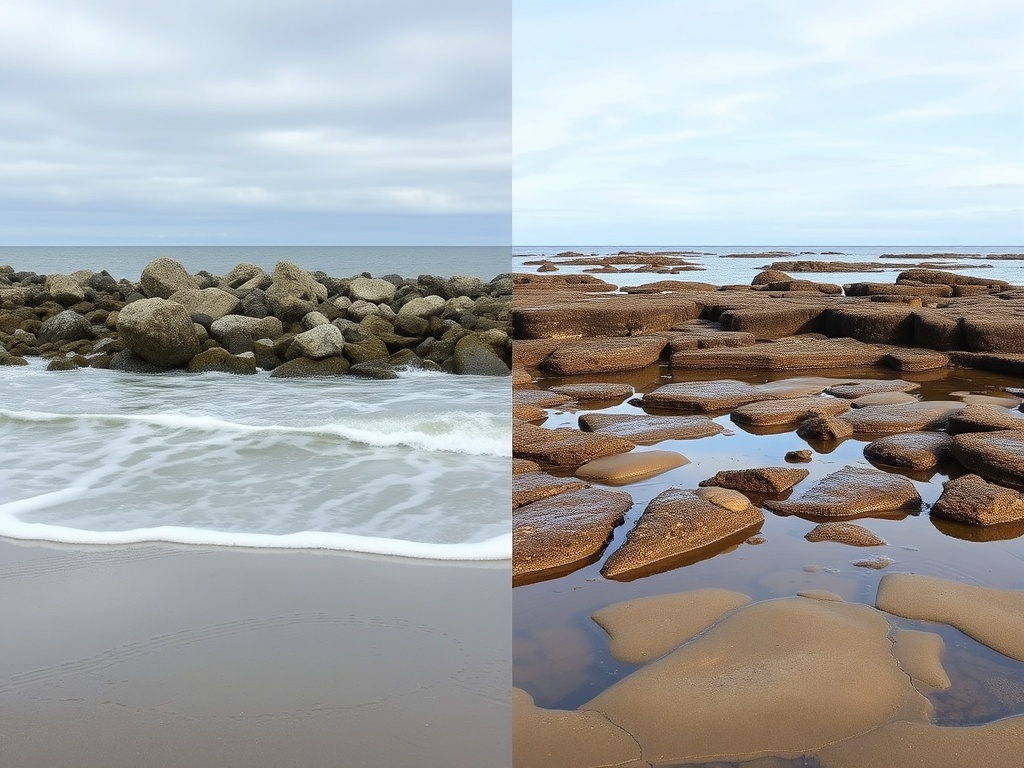
If you can, stay for a few hours and watch the tide come back in. This is where the Bay shows off. The water doesn’t creep—it moves. You can literally see the shoreline change in real time.
It’s one of the few places where “watching the tide” is actually worth your time. You’ll start to notice markers you walked past earlier slowly disappear. Channels fill. The landscape reshapes itself.
That contrast—from walking on the ocean floor to seeing it swallowed again—is the full Bay of Fundy experience.
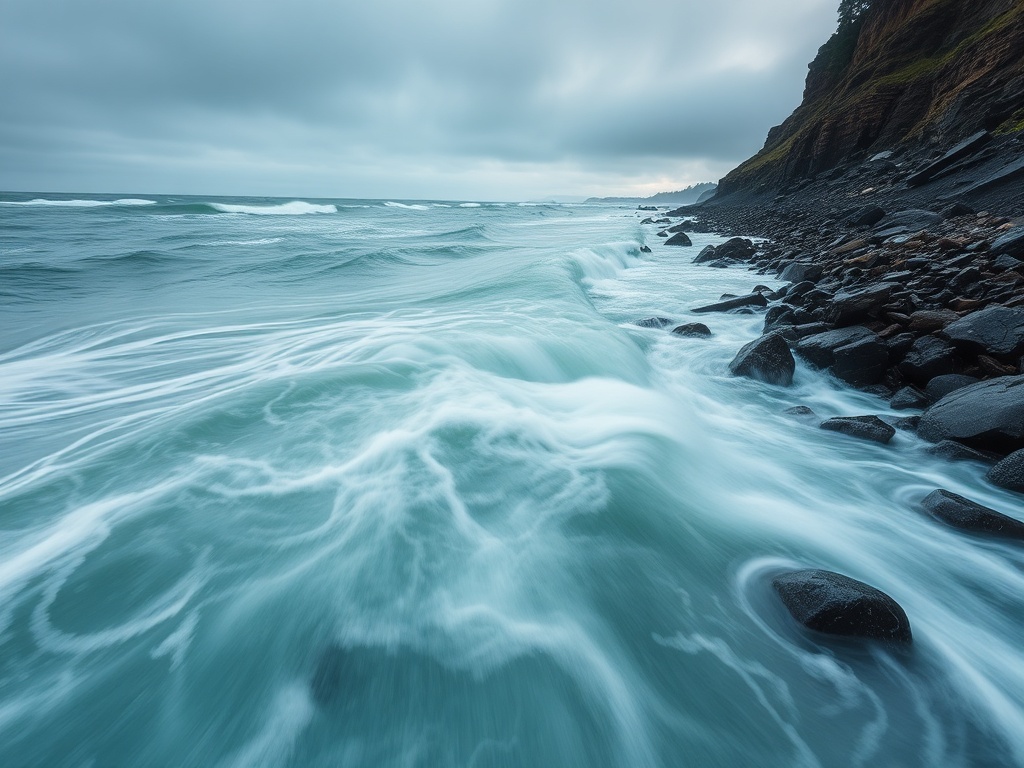
How to Time It Properly (Without Overthinking It)
You don’t need to memorize charts or get overly technical. You just need a simple approach:
- Look up the low tide time for your specific location (it varies along the Bay).
- Arrive about 60–90 minutes before low tide.
- Stay at least 2–3 hours total if you can.
That window gives you time to explore safely, see the landscape fully exposed, and catch the beginning of the incoming tide.
Different spots behave differently, but this approach works almost everywhere along the Bay—from New Brunswick to Nova Scotia.

Where This Matters Most
This tip applies across the entire Bay, but it’s especially important in a few key places:
- Hopewell Rocks (New Brunswick) — arguably the most dramatic transformation.
- Cape Split (Nova Scotia) — stunning views at both tides, but timing affects accessibility and perspective.
- Burntcoat Head Park — home to some of the highest tides recorded anywhere.
- Five Islands Provincial Park — a quieter alternative with huge tidal range.
If you show up at the wrong time at any of these, you’ll still see something—but you’ll miss what makes them special.

Common Mistakes (That Ruin the Experience)
After years of watching how people visit the Bay, a few patterns show up again and again:
- Arriving at random times without checking tides.
- Only visiting at high tide because it “looks more like the ocean.”
- Not staying long enough to see the transition.
- Underestimating how fast the tide returns.
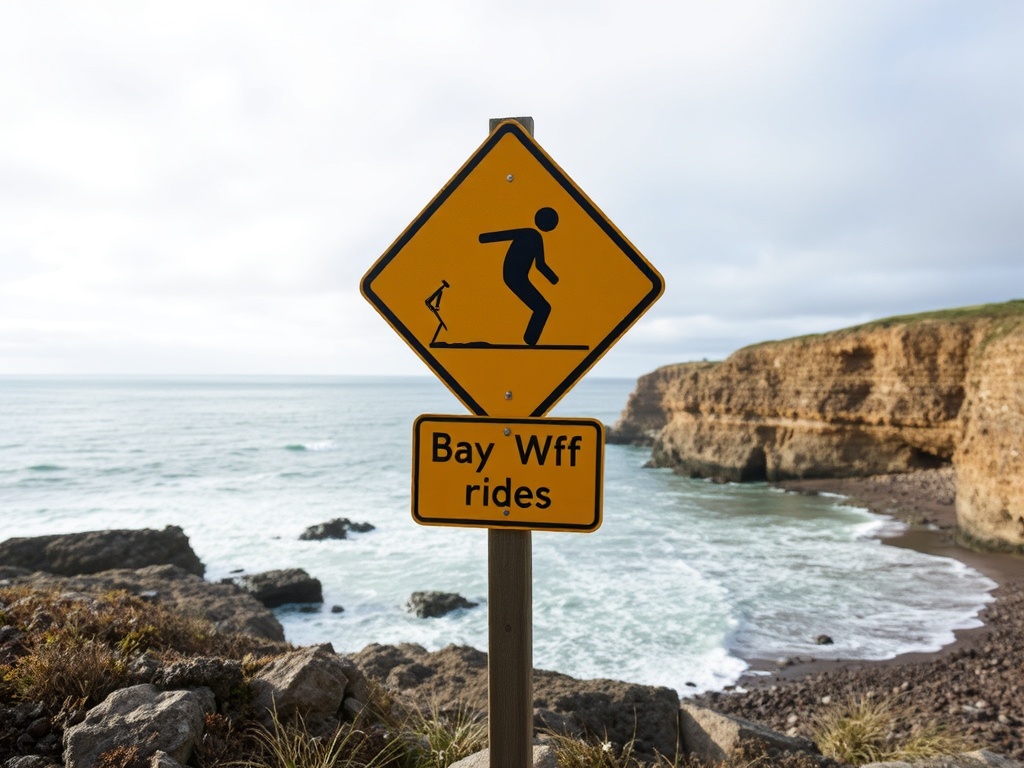
That last one matters. The Bay is safe if you pay attention—but it’s not a place to wander carelessly. Always keep track of where you entered and how much time you have.
Why This One Tip Matters More Than Anything Else
You can skip a viewpoint. You can miss a restaurant. You can even choose the “wrong” town and still have a great trip.
But if you get the timing wrong, you fundamentally change what the Bay of Fundy feels like.
With the right timing, it’s dynamic, dramatic, and unlike anywhere else in Canada. Without it, it’s just another coastal stop.
That’s why locals don’t talk about the Bay in terms of locations first—they talk about when to go.

Final Thought
If you take this seriously, you don’t need a complicated itinerary. Pick one or two spots, time them properly, and give yourself enough space to actually watch the landscape change.
That’s the version of the Bay of Fundy that sticks with people—the one where you feel the scale of it, not just see it.
Everything else is optional.